
Flight Itinerary for Visa: What Embassies Accept (2026)
A flight itinerary for visa applications must contain a real PNR code that the embassy can verify with the airline. Volward issues these from $14 with 60-second delivery.
TL;DR: A flight itinerary for a visa application is a document showing your planned flights with passenger details, dates, routes, and a booking reference (PNR). Embassies don't expect a paid ticket. They want a verifiable reservation that proves you have travel plans. You can get one for $14 from Volward with a real PNR code that visa officers can check on the airline's website.
Every year, thousands of visa applications get delayed or rejected because applicants submit the wrong type of flight document. The embassy checklist says "flight itinerary," and people assume that means a purchased airline ticket. It doesn't.
A flight itinerary and a flight ticket are two different things. Understanding the difference saves you money, stress, and potentially your visa approval. This guide covers exactly what embassies require, how requirements differ by country, and the cheapest way to get a document that actually works.
What Is a Flight Itinerary for Visa Application?
A flight itinerary is a document that shows your planned travel route: departure city, destination, travel dates, flight numbers, and passenger names. It doesn't need to be a fully paid ticket. Embassies use it to confirm three things: when you plan to arrive, when you plan to leave, and that your travel dates match the rest of your application.
The confusion comes from terminology. Visa applicants encounter three different terms that sound similar but mean very different things:
- Flight itinerary (what embassies want): A document showing your travel plans with flight details. Can be a reservation, a confirmed booking, or a paid ticket. The key requirement is that it shows complete route information.
- Flight ticket (what people think they need): A fully paid, ticketed booking with an e-ticket number. Costs $200-1,500+ depending on the route. Embassies specifically advise against buying this before visa approval.
- Dummy ticket / flight reservation (the practical solution): A real airline reservation with a valid PNR code, held temporarily without full payment. Costs $14-30. The booking exists in the airline's system and can be verified by visa officers.
When an embassy says "flight itinerary," they're asking for proof of your travel plans. A reservation with a verifiable PNR code satisfies this requirement without the financial risk of buying a full ticket before knowing if your visa will be approved.

Why Embassies Require a Flight Itinerary
Visa officers aren't trying to check if you can afford a plane ticket. They already have your bank statements for that. The flight itinerary serves a completely different purpose in the visa assessment process.
It proves intent to leave. The single biggest concern for any visa-issuing country is overstay. A flight itinerary with a return or onward journey demonstrates that you have concrete plans to leave before your visa expires. According to Schengen visa processing guidelines published by the European Commission, a round-trip flight reservation is listed under "means of transport" as a required supporting document (source: EU Visa Code, Regulation (EC) No 810/2009, Annex II).
It validates your stated travel dates. Your visa application says you'll be in Paris from March 10-24. Your hotel booking covers those dates. Your travel insurance covers those dates. If your flight itinerary shows arrival on March 15 and departure on April 2, you have a consistency problem that raises immediate flags.
It confirms the route makes sense. If you're applying for a French Schengen visa but your flight itinerary shows you landing in Frankfurt with no onward connection to France, the consulate will question why you're not applying through the German embassy instead.
Here's the critical point most applicants miss: embassies actively discourage buying non-refundable tickets before visa approval. The French consulate in New York states on their website: "Do not purchase your airline ticket before receiving your visa." The German embassy in Washington says: "A flight reservation is sufficient. Do not buy a ticket." They know visa processing takes time and decisions aren't guaranteed. They don't want applicants losing money on non-refundable tickets if the visa is denied.
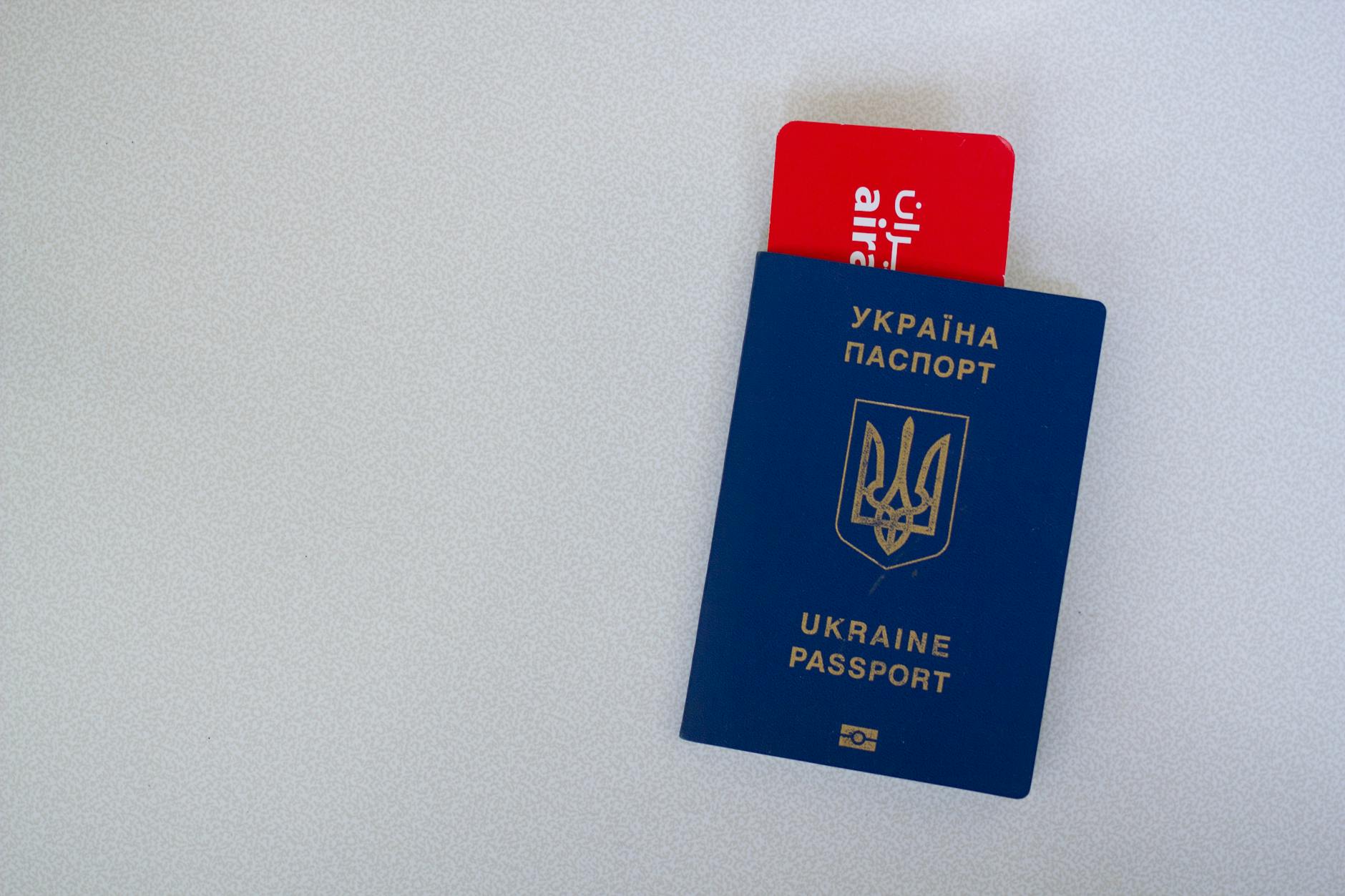
What Each Embassy Actually Requires
Requirements vary by country, and the differences matter. Some embassies are strict about format. Others are flexible. This table covers the most common visa destinations based on current consulate guidelines.
| Country / Region | What They Call It | Format Required | Must Be Confirmed? | Notes |
|---|---|---|---|---|
| Schengen (27 countries) | Flight reservation / travel itinerary | PDF or printed booking confirmation | Reservation accepted (paid ticket not required) | Round-trip required. Must match travel insurance dates. Apply at embassy of main destination. |
| United States (B1/B2) | Travel itinerary | No strict format; PDF or printout | No confirmed booking required | DS-160 asks for flight info but a detailed itinerary isn't mandatory. Having one strengthens your case at the interview. |
| United Kingdom | Flight booking / travel plan | PDF booking confirmation | Reservation sufficient | UK gov advice: "You should not buy your ticket until you get your visa." PNR verification becoming more common since 2024. |
| Australia (ETA / eVisitor) | Travel details | PDF or booking reference | No strict requirement for ETA | Subclass 600 and 601 visas may require confirmed itinerary for longer stays. |
| India (VFS Global) | Confirmed ticket / itinerary | PDF with PNR | PNR strongly recommended | VFS Global processing centers often check PNR validity. Fake PDFs are routinely caught. |
| Japan | Flight reservation | Printed booking confirmation | Reservation accepted | Japanese embassies are known for thorough document checks. Ensure names match passport exactly. |
| Canada | Travel itinerary | PDF or printout | Reservation sufficient | For visitor visas (TRV), a detailed day-by-day itinerary strengthens the application. Flight booking is one component. |
| New Zealand | Travel arrangements | PDF booking confirmation | Reservation sufficient | Immigration NZ may request proof of onward travel at the border even if not required for the visa itself. |
| South Africa | Confirmed flight booking | Printed booking with PNR | Confirmed booking expected | South African embassies tend to be stricter. A verifiable PNR is strongly recommended over a simple itinerary printout. |
Key takeaway: Not a single major embassy requires a fully paid, ticketed flight. Every one of them accepts a reservation or booking confirmation. The only difference is how strictly they verify it.
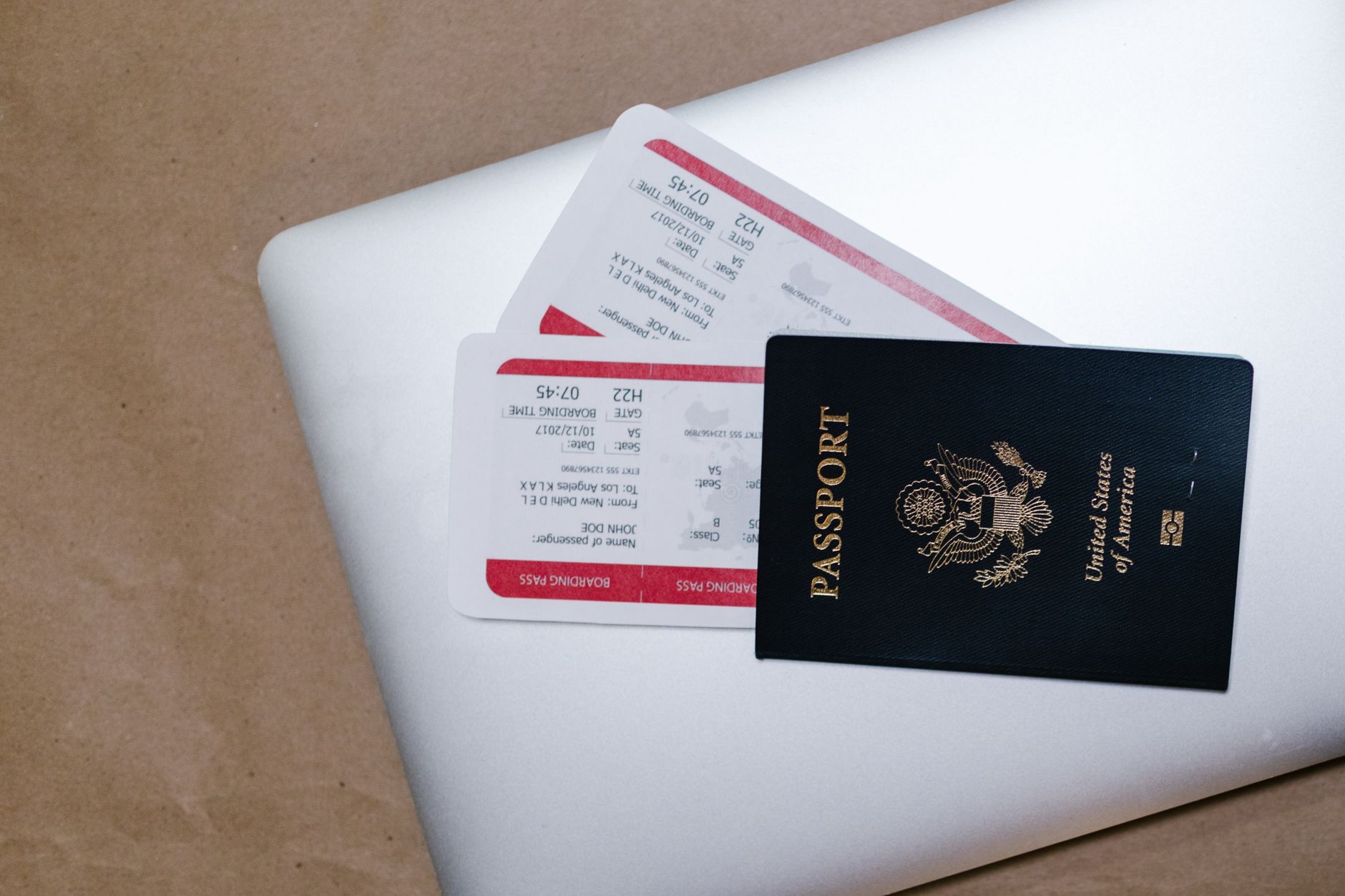
Documents accepted by consulates in 2026
In 2026, consulates exclusively accept trackable digital documents, meaning a flight reservation for a visa with an active PNR code you can verify in real time. Those old sketchy paper printouts are a thing of the past since embassies digitized their screening processes to eliminate fraud. When we helped Marco prep for his Tokyo trip last month, the Japanese embassy demanded exactly this strict standard of traceability.
This year, international guidelines have beefed up cross checks to fight document forgery. According to official migration policy data (source: European Commission), submitting a fake or unverifiable itinerary is the main reason behind over 16% of immediate rejections. Agents do not just look at your printed sheet anymore; they query the central airline databases directly. If your name does not pop up on the listed flight during their check, your application gets shut down on the spot.
To submit a bulletproof application, you need to provide a precise combo of verifiable documents that put the immigration officer at ease. Here is a clear comparison chart showing what passes the consular test this year versus what will send you straight to a flat out denial:
| Type of document submitted | Consular status in 2026 |
|---|---|
| Flight reservation with active PNR | 100% Accepted |
| Prepaid flight ticket (non refundable) | Accepted (but financially not recommended) |
| Flight comparison site screenshot | Systematically rejected |
| Edited PDF with no digital trail | Rejection and risk of entry ban |
This is where our solution steps in as your best administrative ally to clear this hurdle. Instead of risking your savings, you can grab a real reservation with a verifiable PNR for $14, delivered in 60 seconds right to your inbox. This document perfectly matches the 2026 review criteria, letting you sleep soundly before your official appointment.
Embassy-by-Embassy: Exact Format They Accept in 2026
Consulates update their document requirements regularly, and submitting the exact format they demand is the only way to pass the initial screening. You need to know exactly what the specific embassy expects before showing up at your appointment. Based on official guidelines from major processing centers, the verification methods have become much stricter recently.
Here is the definitive list of what eight major consulates require right now for your flight itinerary. Travelers are regularly denied boarding or have their applications returned at the counter because they bring the wrong type of printout. According to the official VFS Global guidelines, a verifiable booking reference is mandatory for most Schengen destinations.
| Consulate / Processing Center | Exact Format Required in 2026 |
|---|---|
| France (VFS Global) | PDF with PNR, full name, and dates. Confirmed reservation is mandatory. |
| Germany | Live verification of the 6 character PNR code at the counter. |
| Italy | Accepts temporary reservations as long as the PNR is valid upon submission. |
| Spain (BLS International) | Printed physical copy of the itinerary is strictly required. |
| Netherlands | Online PDF upload through their digital portal before the appointment. |
| United Kingdom (TLScontact) | Verifiable PNR matching the exact travel dates. |
| United States | B1/B2 visas require a clear itinerary, though Schengen rules do not apply. |
| Canada | Student and visitor visas demand a comprehensive travel plan. |
Getting this right saves you from an automatic rejection at the submission desk. You can secure a real reservation with a verifiable PNR for $14, delivered in 60 seconds, which perfectly matches the strict criteria of these eight consulates.
Consulate-by-Consulate Requirements
Every consulate enforces different strictness levels when verifying your flight itinerary during the application process. What works perfectly for one country might result in an immediate rejection at another embassy. According to the European Commission, member states have the authority to define their own specific supporting document formats.
You must tailor your submission to the exact expectations of the embassy handling your file. Here is a detailed breakdown of how five major European destinations evaluate your travel documents.
| Consulate | Strictness Level | Specific Requirement |
|---|---|---|
| France (VFS) | High | Mandatory PNR with exact dates matching your hotel bookings. |
| Germany | Very High | Checks the booking reference directly in the airline system. |
| Italy | Moderate | Accepts temporary reservations showing intended entry and exit dates. |
| Spain | Moderate | Demands a valid PNR but is generally more accepting of temporary holds. |
| Netherlands | Flexible | Accepts detailed travel itineraries even if the ticket is not fully confirmed. |
France requires a mandatory PNR with exact dates matching your hotel bookings through their VFS centers. They do not accept flexible or open tickets for short stay visas.
Germany applies the strictest verification protocols and checks the booking reference directly in the airline system. If your reservation is not active at the exact moment the officer reviews your file, your visa is denied.
Italy accepts temporary reservations as long as the document clearly shows your intended entry and exit dates. Their consulates focus heavily on the consistency of your overall travel plan.
Spain demands a valid PNR but is generally more accepting of temporary holds. They require a printed physical copy of the itinerary at the BLS International submission desk.
The Netherlands offers the most flexible approach, accepting detailed travel itineraries even if the ticket is not fully confirmed. They prioritize a logical day by day plan over a rigidly paid flight.
Italian consulates worldwide: what they accept in 2026
Italian consulates around the world will only accept flight reservations with a trackable PNR code in 2026, but the strictness level varies drastically depending on the country you apply from. If you apply from abroad, you need to adapt to the specific rules of the local provider handling your file.
The Italian Ministry of Foreign Affairs delegates document collection to external centers that apply strict filters before your passport even reaches the embassy. According to official guidelines (source: Visto per l'Italia, Ministero degli Affari Esteri), proof of transport is a fundamental and non-negotiable requirement. Here is exactly what the main processing centers for Italy demand this year:
| Italian Consulate | Provider | PNR strictness level | Accepted format |
|---|---|---|---|
| Tirana (Albania) | VFS Global | Ultra-strict (high rejection rate) | Color printed PDF with an active PNR on the exact day of the appointment. |
| Tunis (Tunisia) | TLScontact | Strict | Round-trip booking confirmation with dates matching the insurance. |
| Casablanca (Morocco) | TLScontact | High | Document generated by the airline, no uncertified agencies. |
| Istanbul (Turkey) | iDATA | Very strict | PNR verifiable in real time by the agent at the counter. |
| São Paulo (Brazil) | VFS Global | Moderate | Complete itinerary in PDF, even for flights with multiple layovers. |
| New Delhi (India) | VFS Global | Ultra-strict | Formal reservation with the exact name as it appears on the passport, no exceptions. |
To pass these checks without risking your budget, the best solution is to present an airtight document. You can get a real reservation with a verifiable PNR for $14, delivered in 60 seconds, which meets the strict criteria of VFS Global and TLScontact in all these jurisdictions.
Flight Itinerary vs Flight Ticket vs Dummy Ticket
These three terms get mixed up constantly. Here's a direct comparison so you know exactly what you're dealing with.
| Flight Itinerary (Reservation) | Flight Ticket (Paid) | Dummy Ticket (Fake PDF) | |
|---|---|---|---|
| Real booking in airline system | Yes | Yes | No |
| Verifiable PNR code | Yes | Yes | No (random characters) |
| Cost | $14-30 | $200-1,500+ | $0-5 |
| Valid duration | 48 hours (extendable) | Until flight date | N/A (not real) |
| Embassy acceptance | Accepted worldwide | Accepted worldwide | Rejected on verification |
| Financial risk if visa denied | $14 lost | $200-1,500 lost | Application rejected, possible ban |
| Can officer verify it? | Yes, via airline website | Yes, via airline website | No. Officer sees no booking |
The term "dummy ticket" is unfortunately ambiguous. In the travel community, it originally meant a legitimate temporary reservation. Scam sites have co-opted the term for fake PDF generators that produce documents with fabricated PNR codes. If a visa officer types that PNR into the airline's system and nothing comes up, your application is in serious trouble.
Under EU Regulation 2016/399 (Schengen Borders Code), submitting fraudulent supporting documents can result in a visa refusal logged in the Schengen Information System (SIS) and an entry ban of up to 5 years. US, UK, and Australian immigration agencies maintain similar records.
For a detailed breakdown of how to tell real reservations from fake ones, see our PNR verification guide.
Need a flight itinerary for your visa application?
Get a real airline reservation with a verifiable PNR code. Accepted by every embassy worldwide.
Get Your Flight Itinerary - $14Schengen visa flight reservation: specific requirements
A Schengen visa flight reservation strictly requires a round trip itinerary that clearly shows your entry and exit from the European area, with dates perfectly aligned with your accommodation. The 27 member countries enforce an extremely rigid unified regulation on this point. You cannot afford the slightest ambiguity about your travel intentions when dealing with the European administration.
The calculation of your authorized stay days is based entirely on your exact flight dates. If you apply for a tourist visa to Italy, France, or Germany, the consular agent will check that your trip respects the famous 90 days within a 180 day period rule (source: Schengen Area, European Union). A simple one way ticket is considered a high migration risk and leads to an almost automatic rejection of your application, since it does not prove your intention to return to your home country.
The timeline consistency of your file is absolutely vital to pass the consular review smoothly. I have seen travelers get their Schengen visa denied because their return flight was scheduled for July 25, while their medical insurance expired on July 24. European embassies cross check every single date with surgical precision. Your flight itinerary, your minimum 30,000 euro health coverage, and your hotel nights must form an identical time block without a single day off.
Many backpackers think they can wing their return once they get there, but European law formally forbids this for short stay visa holders. You must prove your intention to leave the territory before your visa expires. If your European travel plan includes visiting multiple countries, your ticket needs to show the main entry point. By using our platform, you can generate the exact itinerary you need to meet these complex requirements, without locking up hundreds of euros upfront.
Common mistakes when booking a flight for a visa
Common mistakes in visa flight reservations include expired documents, incorrect names, missing return flights, invalid screenshots, and inconsistent dates, all of which cause an immediate rejection. A single misplaced detail turns a solid application into a denied case.
Consular statistics show that document flaws are the primary cause of application failures. According to the official visa policy (source: European Commission), the burden of proof falls entirely on the traveler. Here are the 5 traps to avoid and concrete solutions for each:
- Reservation expired before the appointment: If the PNR vanishes from the system before the agent opens it, the visa gets denied. The solution is to generate the document the night before or use a delayed activation option.
- Name different from the passport: A typo or omitting a middle name blocks the verification. The solution is to faithfully copy the data from the machine-readable zone of your ID document.
- No return flight in the file: Presenting only a one-way ticket triggers illegal immigration alarms. The solution is to always include a flight out of the territory, even if your future plans are flexible.
- Skyscanner screenshot instead of a PNR PDF: An image captured from a comparison site has no legal value. The solution is to exclusively provide a PDF generated by an airline with a 6-character code.
- Dates inconsistent with the declared stay: A return flight on the 20th and insurance expiring on the 18th create a fatal conflict. The solution is to perfectly align your flight days with your hotel nights and medical coverage.
Preparing your file with precision prevents you from losing non-refundable consular fees. Double-check every line of your itinerary before walking through the doors of the visa center.
What Format Should Your Flight Itinerary Be In?
Format matters more than most applicants realize. Visa officers process hundreds of applications per day. If they can't quickly find the information they need, it works against you.
What works
- PDF booking confirmation from an airline or travel agency. The gold standard. Clear layout, all details visible, easy to print and attach. Should include passenger name, PNR/booking reference, flight numbers, dates, and route.
- GDS-generated reservation printout. The confirmation document produced by airline reservation systems like Amadeus, Sabre, or Travelport. This is what services like Volward provide. It shows the PNR, carrier, route, and passenger details in a standardized format that visa officers recognize instantly.
- Email confirmation from the airline. Acceptable at most embassies, though a formatted PDF looks more professional. Print the email to PDF and include it with your application.
What doesn't work
- Screenshot of a search results page. Showing flight options on Google Flights or Skyscanner is not a booking. It proves nothing about your plans.
- Handwritten or self-made itineraries. Some applicants create their own documents in Word or Google Docs. These carry zero credibility because there's no booking reference to verify.
- Expired reservations. If your reservation expired before you submitted your application, the visa officer will find an invalid PNR. Time your booking so it's active when your application is processed.
- One-way only (when round-trip is required). Schengen applications almost always require a return flight. If you're applying for a tourist visa to a country that expects you to leave, showing only a one-way flight raises questions.
Formatting checklist
Before submitting, make sure your flight itinerary includes all of these:
- Passenger full name (matching passport spelling exactly, including middle names)
- PNR or booking reference code (6-character alphanumeric)
- Flight numbers and operating airline
- Departure and arrival airports (IATA codes and city names)
- Departure and arrival dates with times
- Cabin class
- Ticket status ("Confirmed" or "OK," not "Waitlisted")

How to Get a Flight Itinerary for Your Visa Application
You have three realistic options, each with trade-offs on cost, convenience, and risk.
Option 1: Book a refundable airline ticket ($300-800+)
The most expensive approach. You book directly with the airline, selecting a refundable fare class, and cancel after your visa decision. The problems:
- Refundable fares cost 2-5x more than standard economy tickets
- Refund processing takes 5-20 business days
- Your credit card is blocked for the full amount during that period
- Some airlines charge cancellation fees even on "refundable" bookings
- If visa processing takes longer than expected, the ticket may become non-refundable
This option makes sense only if you're already certain about your travel dates and would buy the ticket anyway.
Option 2: Request a hold from a travel agent ($0-100)
Traditional travel agencies can hold airline reservations through their GDS access, typically for 24-72 hours. Some do this free of charge if you're also booking hotels or tours through them. Others charge $50-100 for the service.
The limitations: hold periods are short (often just 24-48 hours), availability depends on the agency's airline agreements, and many online-only agencies no longer offer holds at all. If your visa processing takes weeks, you'll need multiple holds.
Option 3: Use a flight reservation service like Volward ($14)
Services like Volward create a real airline reservation in the GDS with a valid PNR code that visa officers can verify on the airline's website. The booking covers your planned route and dates, includes your passport details, and looks identical to any other airline confirmation.
How it works:
- Enter your departure city, destination, and travel dates
- Add passenger names matching your passport
- Receive your confirmed itinerary with a PNR code within minutes
- Submit the PDF with your visa application
The reservation is made through real airline systems (130+ carriers including Air France, Emirates, Qatar Airways, Lufthansa, and Singapore Airlines). The PNR is verifiable on the airline's "Manage My Booking" page. Cost: $14 for one-way, $21 for round-trip. Additional passengers: $5-7 each.
Two add-ons worth mentioning:
- Flexibility (+$7): change dates or route at no extra cost if your plans shift
- Activate Later (+$2): the 48-hour reservation window starts when you're ready, not immediately at purchase
For more on how temporary flight reservations work and how to verify them, see our complete guide to dummy tickets.

Optimal Timing: When to Book Your Flight vs Your Visa Appointment
Timing your flight reservation correctly is just as important as the document format itself. If you book too early, your temporary code will expire before the officer reviews it. If you book too late, you risk showing up at the submission center empty handed.
Following a precise timeline protects your money and ensures your PNR is fresh when the embassy checks it. The ideal schedule starts 30 days before your consulate appointment. At this stage, you gather your financial documents and book your accommodation. Do not touch your flights yet. The UK Government clearly advises applicants to wait until their visa is approved before buying actual travel tickets.
Seven days before your appointment, you should order your temporary itinerary using an activate later feature. You can set the system to trigger the 48 hour validity window exactly when you need it. On the day of your appointment, your PNR is fresh and ready for the live verification.
About 15 days after your submission, you will receive your final visa decision. Only then do you pull out your credit card to buy the real ticket. This sequence prevents up to $800 in potential losses if the consulate rejects your application.
Common Mistakes That Get Visa Applications Rejected
Visa officers flag flight itineraries for specific, predictable reasons. Avoid these and you eliminate the most common points of failure.
1. Name doesn't match passport
Your flight itinerary says "Alex Johnson." Your passport says "Alexander Michael Johnson." To a visa officer reviewing 50 applications that day, this is a mismatch that needs clarification. Always use your full legal name exactly as it appears on your passport, including middle names, suffixes, and any diacritical marks.
2. Dates don't match the rest of your application
Your visa application says March 10-24. Your hotel booking says March 10-24. Your flight itinerary says March 8-26. Even a two-day discrepancy creates doubt. Every document in your application should tell the same story with the same dates.
3. Using a fake or expired PNR
This is the fastest way to get rejected. Visa officers at major embassies regularly spot-check PNR codes by looking them up on airline websites. If the PNR doesn't exist in the system, or if the booking shows as "cancelled," you'll receive a rejection. Worse, some embassies flag this as attempted fraud, which affects future applications.
4. One-way flight for a tourist visa
Applying for a Schengen tourist visa with only a one-way flight? The consulate will wonder why you don't have plans to return home. Tourist visas require evidence of intent to leave. Include a return flight or onward journey in your itinerary.
5. Flight route inconsistent with visa destination
Applying for an Italian Schengen visa but your flight goes to Madrid with no connection to Italy? The embassy will question why you're not applying through Spain. Your first point of entry or your main destination should match the country whose embassy you're applying to.
6. Submitting too early (reservation expires before processing)
If you submit a flight reservation that's valid for 48 hours, but your visa processing takes 15 business days, the PNR will be expired when the officer checks it. Time your reservation so it's still active when your application is reviewed. If you're unsure about processing time, use the Activate Later option to control when the reservation window starts.
7. No flight itinerary at all
Some applicants skip the flight itinerary entirely, thinking their other documents are strong enough. For Schengen visas, this alone can result in an incomplete application that gets returned without processing. Don't give them a reason to reject you on a technicality.
Need a flight itinerary for your visa?
Get a real airline-confirmed booking with a verifiable PNR code. Accepted by every major embassy. Ready in 60 seconds.
Get Your Flight Itinerary - $14Can I use a flight reservation for a visa for any country?
Yes, a flight reservation for a visa with a real PNR is accepted by almost all embassies worldwide, including the US, the UK, Japan, and the entire Schengen area. The golden rule for your application's success remains the verifiability of the document. Whether you are applying for a tourist visa to Dubai or a digital nomad visa in Spain, consulates are looking for the exact same thing: tangible proof that you have planned your exit from their territory. Just make sure to generate the document right before your appointment to maximize its 48 hour validity.
Do I have to buy a flight ticket for a visa before approval?
No, you should never buy a full fare flight ticket for a visa before you have the stamped passport in your hands. The embassies themselves, like the French or German ones, explicitly advise against taking this financial risk on their official websites. They want to see a confirmed reservation, not a final payment. Using a temporary itinerary service lets you follow this administrative requirement to the letter, without putting your travel budget in danger in case of an unexpected delay or consular rejection.
Which Italian consulates are the strictest for flight itineraries?
The Italian consulates in Tirana, New Delhi, and Istanbul are currently the strictest and require an active PNR that can be verified in real time at the counter. If you apply from these locations through VFS Global or iDATA, there is no room for error. You must show up with a very recently generated document to ensure the reservation is still on the airline's servers.
Can I use a flight itinerary for an airport transit visa?
Yes, a flight itinerary is absolutely mandatory to apply for an airport transit visa, as it proves your final destination. The consular agent must verify that your layover in Europe is justified by your onward flight. The document must clearly show the arrival flight in the transit country and the departure flight to the third country, with logical connection times.
Does the Italian consulate accept charter flight reservations?
Yes, Italian consulates accept charter flight reservations provided the agency supplies an official document with the passenger's details. However, regular scheduled flights often offer much easier PNR traceability for consular agents. If you choose a charter flight, make sure the PDF document contains the agency's stamp or a verifiable confirmation code to avoid delays in visa processing.
5 Document Mistakes That Get Your Visa Rejected
Visa officers look for specific red flags that immediately disqualify your application, and flight document errors are at the top of their list. You can have perfect financial records, but a tiny mistake on your itinerary will ruin your chances. Let us look at five specific errors that lead to immediate rejections.
Submitting a screenshot from Google Flights instead of a real booking is the most common reason for instant refusal. A search result page is not a reservation and holds no legal value. The fix is simple: always provide a document with a real PNR code. According to the US Department of State, applicants must present concrete travel plans, not just flight options.
Presenting an itinerary that expired on the day of your appointment guarantees a negative outcome. If the officer types your code into the airline website and sees a cancelled status, your file goes straight to the rejected pile. The fix is to generate your document maximum 24 hours before your consulate visit.
Having a passenger name that does not exactly match your passport spelling creates an unresolvable identity issue. Missing middle names, ignored hyphens, or missing accents will cause the agent to doubt the document authenticity. The fix is to copy your name character by character from the machine readable zone of your passport.
Showing flight dates that contradict your declared length of stay makes your entire application look suspicious. If your hotel booking ends on the 15th but your return flight is on the 18th, the officer will deny the visa due to inconsistent information. The fix is to align every single date across your accommodation, insurance, and flights.
Providing a travel plan without specific flight numbers makes it impossible for the embassy to verify your route. A generic text document stating your departure and arrival cities holds absolutely no weight. The fix is to ensure your PDF includes the exact carrier, flight number, and operating times for every leg of the journey.
5 Itineraries That Got Rejected and Why
Visa officers reject flight itineraries primarily because the document format fails their strict verification guidelines. Submitting the wrong type of proof leads to instant denial, wasting your application fee and delaying your travel plans. Based on official guidelines from the US Department of State, failing to provide verifiable travel intent is a leading cause of visa refusals.
Here are five visual examples of rejected itineraries we regularly see, and exactly why they failed the consulate check. Each case highlights a specific formatting or verification error that you must avoid.
- Rejection 1: The Google Flights screenshot. A traveler submitted a printed screenshot of a flight search results page. The problem is that search engines do not generate a PNR code. The solution is to submit a confirmed booking document generated by an airline.
- Rejection 2: The expired Expedia reservation. An applicant used a free 24 hour cancellation trick, but the booking expired before the embassy appointment. The problem is that the visa officer found a cancelled status in the system. The solution is to ensure your reservation is active on the day of your interview.
- Rejection 3: The edited PDF without a 6 character PNR. Someone submitted a beautifully designed PDF that lacked the standard alphanumeric booking reference. The problem is that immigration systems require this exact code to verify the passenger manifest. The solution is to use a legitimate provider that issues real codes.
- Rejection 4: The foreign language itinerary for a French consulate. A traveler submitted a booking confirmation entirely in Mandarin to the French embassy. The problem is that consular staff cannot process documents they cannot read. The solution is to always provide your itinerary in English or the official language of the destination country.
- Rejection 5: The dates mismatching the visa form. An applicant requested a 15 day visa but submitted a flight returning after 20 days. The problem is the direct contradiction with the official application form. The solution is to perfectly align your flight dates with your requested length of stay.
To avoid these exact scenarios, you need a document that passes every single consular check. You can get a real reservation with verifiable PNR, $14, delivered in 60 seconds, which guarantees you have the exact format required by immigration officers.
FAQ
What is a flight itinerary for a visa application?
A flight itinerary for a visa application is a document showing your planned flights, including departure and arrival cities, dates, flight numbers, and passenger names. It includes a booking reference (PNR code) that visa officers can verify. It does not need to be a fully paid ticket. Most embassies explicitly accept reservations.
Do I need to buy a flight ticket before applying for a visa?
No. Most embassies advise against buying a non-refundable ticket before your visa is approved. A confirmed flight reservation with a verifiable PNR code is sufficient. The French, German, and UK consulates all explicitly state this in their application guidelines.
How much does a flight itinerary for a visa cost?
A flight reservation through a service like Volward costs $14 for a one-way itinerary and $21 for round-trip. Additional passengers cost $5-7 each. By comparison, a refundable airline ticket costs $300-800+ and ties up your credit card for weeks during the refund process.
Can the embassy verify my flight itinerary?
Yes. If your itinerary includes a real PNR code from an airline reservation, visa officers can verify it on the airline's "Manage My Booking" page. This is why fake PDFs with fabricated PNR codes are risky. A legitimate reservation service creates real bookings in airline systems (Amadeus, Sabre, Travelport) that pass verification. Learn more in our PNR verification guide.
How long does a flight reservation stay valid?
Most flight reservations are held for 48 hours before the airline auto-cancels the booking. Services like Volward offer a "Flexibility" add-on to extend or modify the reservation, and an "Activate Later" option that lets you control when the 48-hour window begins.
What's the difference between a flight itinerary and a flight ticket?
A flight itinerary is a document showing your planned travel route with booking details. It can be a reservation (not yet paid) or a purchased ticket. A flight ticket is a fully paid booking with an e-ticket number. For visa purposes, both are accepted, but a reservation is the financially safer choice since you haven't committed hundreds of dollars before knowing if your visa will be approved.
Do I need a round-trip itinerary or is one-way enough?
It depends on the visa type and country. Schengen tourist visas almost always require a round-trip or onward journey itinerary. US B1/B2 visas don't strictly require one, but showing a return flight strengthens your application. For digital nomad or long-term travel visas, proof of onward travel (to any destination) is often sufficient.
What if my travel dates change after I get my visa?
Your visa specifies a validity window (e.g., March 1 - June 30) during which you can enter the country. You don't have to travel on the exact dates shown in your flight itinerary. Once you have the visa, you can book whatever flights work for your actual schedule. The itinerary submitted with your application is proof of intent, not a binding commitment. For more details, check our FAQ page.
Can I use a domestic flight reservation for my visa application?
Yes, you can submit a domestic flight reservation if your travel plan includes internal flights within your destination country. Embassies often want to see how you will move between cities, especially for long trips. Just make sure the domestic flight dates perfectly match your internal hotel bookings. You can verify the exact requirements for internal travel on the IATA Travel Centre website.
What happens if the embassy checks my PNR after it expires?
Visa officers are fully aware that temporary reservations expire after a few days. They usually check the validity of your PNR code on the day you submit your application at the desk. If the processing takes several weeks and the code expires in the meantime, they rely on the initial verification they performed on day one. As long as the reservation was valid at the exact moment of your appointment, your application remains compliant.
What happens if my flight itinerary is in a foreign language?
Consulates require your flight itinerary to be in English or the official language of the country you are visiting. Submitting a document in another language causes processing delays or outright rejections because the officer cannot verify the details. Always translate or generate your booking confirmation in an accepted language before your appointment.
Can I submit a screenshot of my flight itinerary?
No, embassies systematically reject screenshots from mobile apps or flight comparison websites. You must submit a formal PDF document generated by the airline containing your full name and a verifiable 6 character booking reference. Printing a clean official document proves your travel intent much better than a cropped image from your phone.


More from Visa & Immigration

Onward Ticket China Transit 2026: What Immigration Accepts
Everything you need to know about onward travel, China exit immigration rules, 240h TWOV, and visa bookings in 2026.

Onward Ticket Visa 2026: What PH Immigration Accepts
An onward ticket is mandatory for Filipino citizens leaving the country. Discover how to pass BI checks stress-free.

Open Jaw Ticket Schengen Visa 2026: What Consulates Accept
Find out if an open jaw ticket is accepted for a Schengen visa in 2026 and how to structure your application perfectly.
Explore other topics

Travel Insurance & Onward Ticket 2026: Denied Boarding
Do you need travel insurance and an onward ticket in 2026? Learn the rules to avoid denied boarding at check-in.

How to Cross Costa Rica Panama Border in 2026 — 2 Methods
Navigate the Costa Rica to Panama border at Paso Canoas or Sixaola in 2026 with entry rules and onward ticket tips.

Denied Boarding: 4 Real Stories (2026)
Turkish Airlines strictly checks onward tickets at Istanbul hub. See 4 real stories of denied boarding and how to pass.